


OUR WORK BY COUNTRY
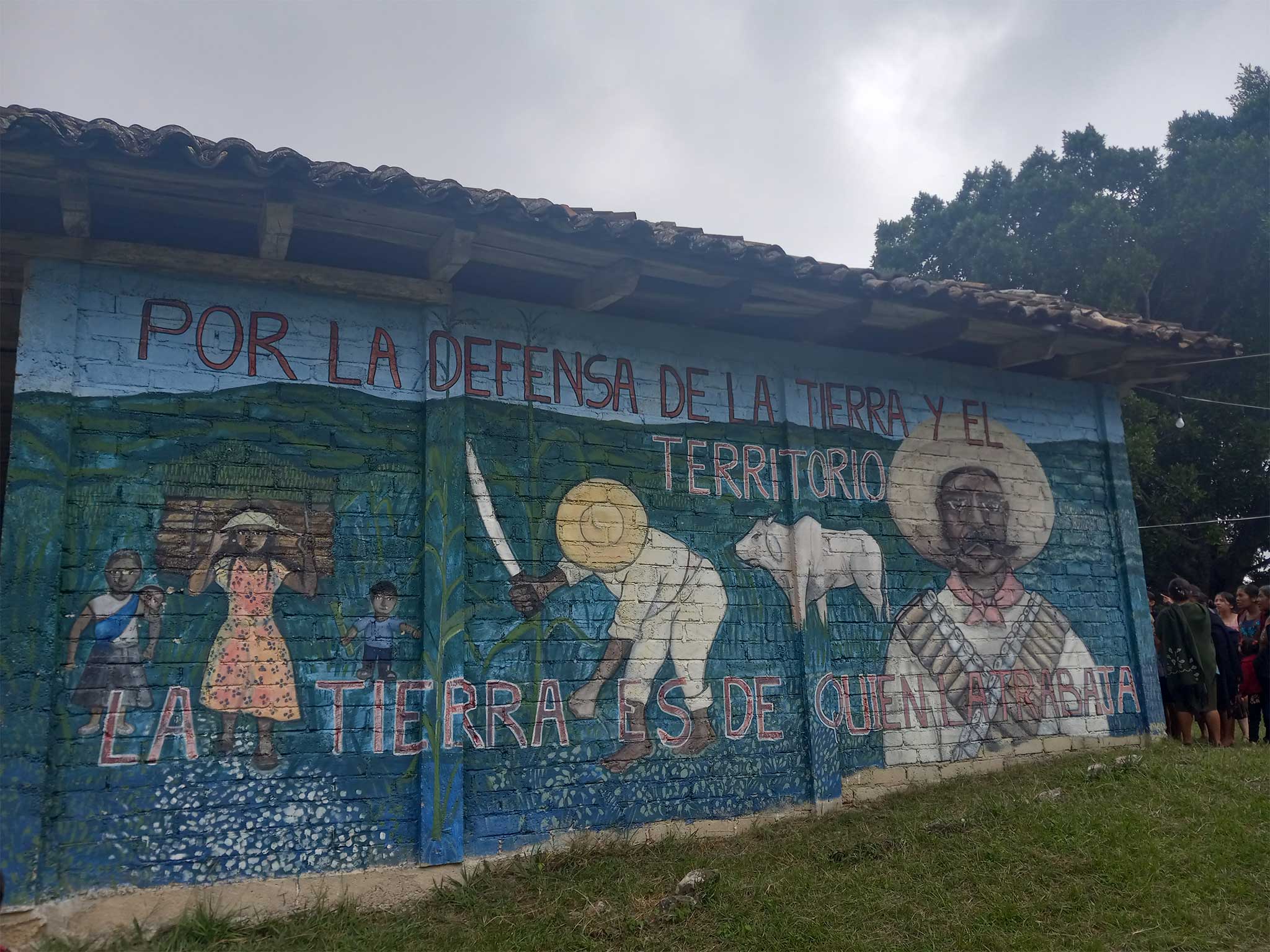
Chiapas, Mexico remains a centre of resistance against neoliberal policies. Inter Pares supports Indigenous groups in the region advocate for their rights and self-governance.
Photo: Nathalia Santos Ocasio/Inter Pares
The Zapatista army launched an uprising in Chiapas in 1994, emerging as a potent symbol of resistance against neoliberal policies and an advocate for Indigenous rights and self-governance. Chiapas remains marred by militarization and escalating violence, exacerbated by gang activities and border-related issues including migrant smuggling and drug trafficking. At the same time, Chiapas grapples with entrenched impoverishment and enduring racial divisions – legacies of its colonial history.
Inter Pares counterparts, among others, are steadfast in their promotion of peace, justice and equality in this pivotal border region of Central America.
Our counterparts—Centro de Derechos Humanos Fray Bartolomé de las Casas (FrayBa), Coalición Indígena de Migrantes de Chiapas (CIMICH) and Voces Mesoamericanas—many of whom are Indigenous-led and allied organizations, work with Indigenous and migrant communities to support their wellbeing, promote gender, class and ethnic equality and engage in documentation, research, advocacy and litigation to promote and defend human rights in the region.
No posts found.
No posts found.