




David Bruer (he/him)
Program Manager

Amani Khalfan (she/her)
Program Manager
OUR WORK BY COUNTRY

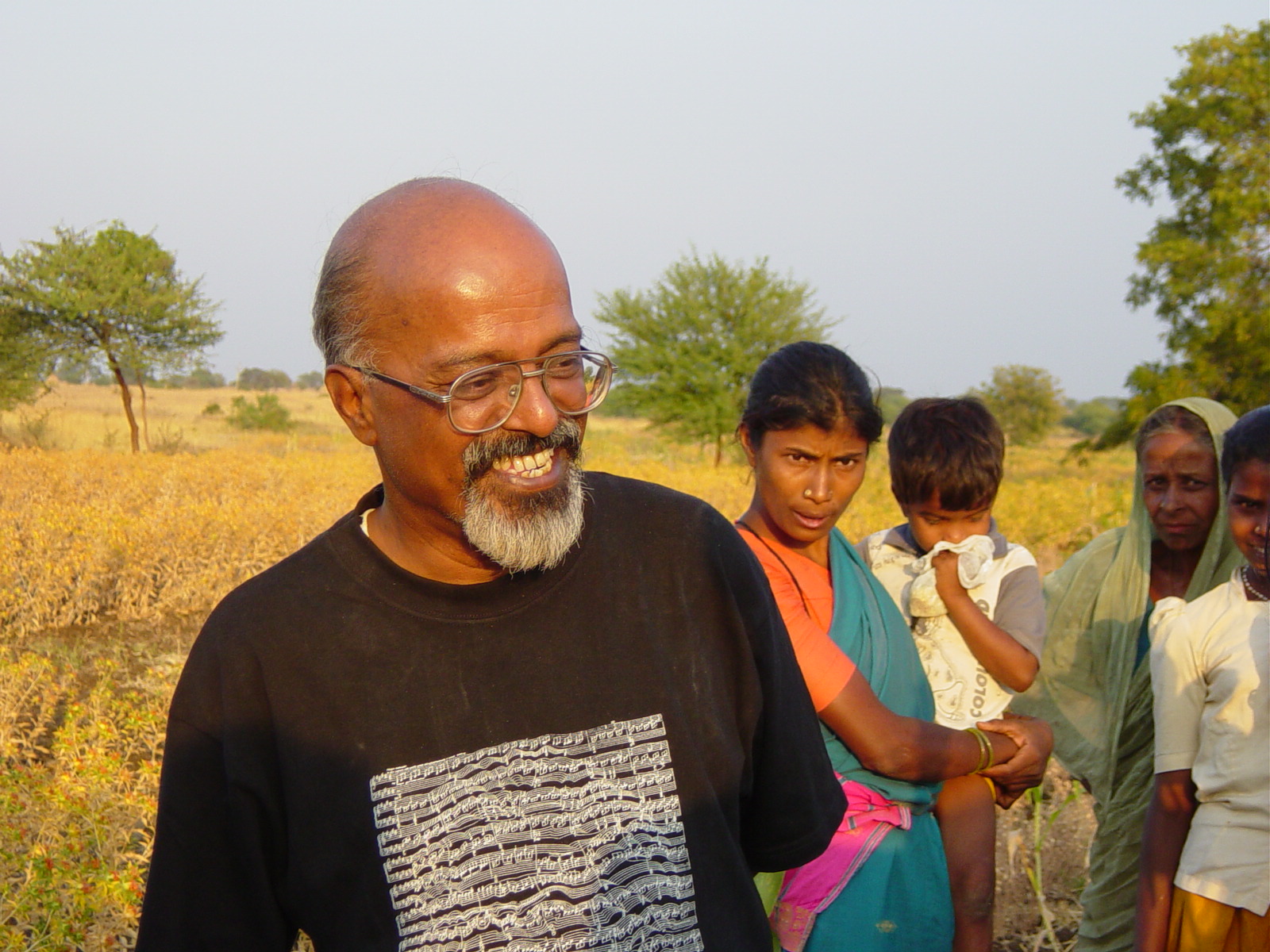
Corporate control of land poses a large threat to rural women farmers in Telangana State, India. Inter Pares counterpart Deccan Development Society (DDS) organizes women to share and preserve traditional farming knowledge and build women's autonomy.
Photo: DDS
Corporate control of land and the tendency to grow genetically modified crops, especially cotton, threaten traditional farming methods and biodiverse cropping systems that are resilient to harsh growing conditions. Violence against women is prevalent—including domestic and sexual violence, sex-selective abortion and dowry. Though systematically undervalued, women are central to community life and often are the sole caregivers for families and farmland while men seek salaried work in cities.
Despite immense challenges, rural lower-caste women and farmers are organizing to learn and demand their rights, call for justice and to preserve diverse, traditional farming practices.
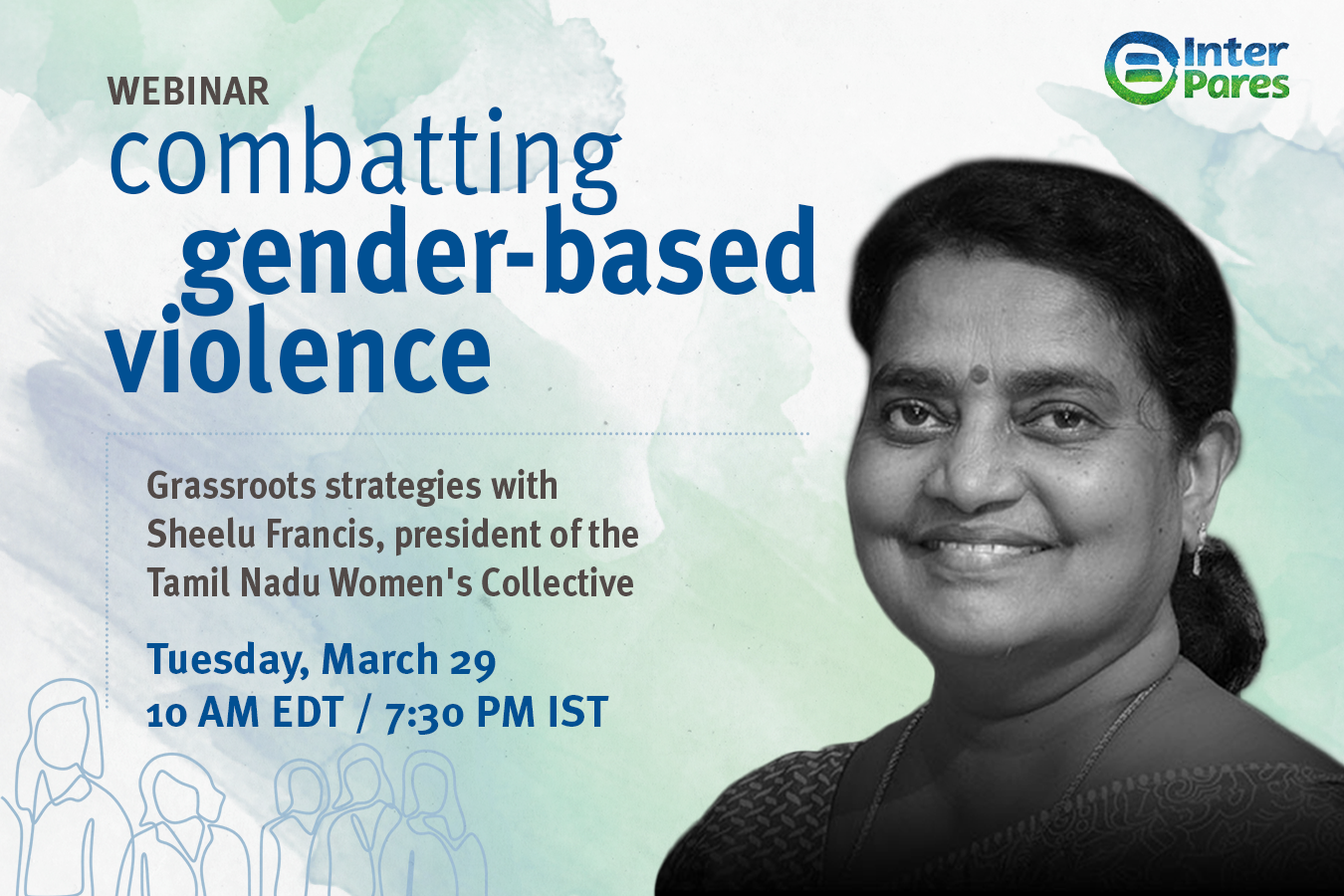
We collaborate with Deccan Development Society to support Dalit caste women farmers to come together in small groups – sanghams – to share and preserve traditional farming knowledge and biodiverse seeds, to collectively market their crops and to build women’s autonomy. Similarly, the Tamil Nadu Women’s Collective brings together poor and marginalized women to learn about their rights and collectively address community issues—from violence against women to economic security.