





Nasya Razavi (she/her)
Program Manager
OUR WORK BY COUNTRY
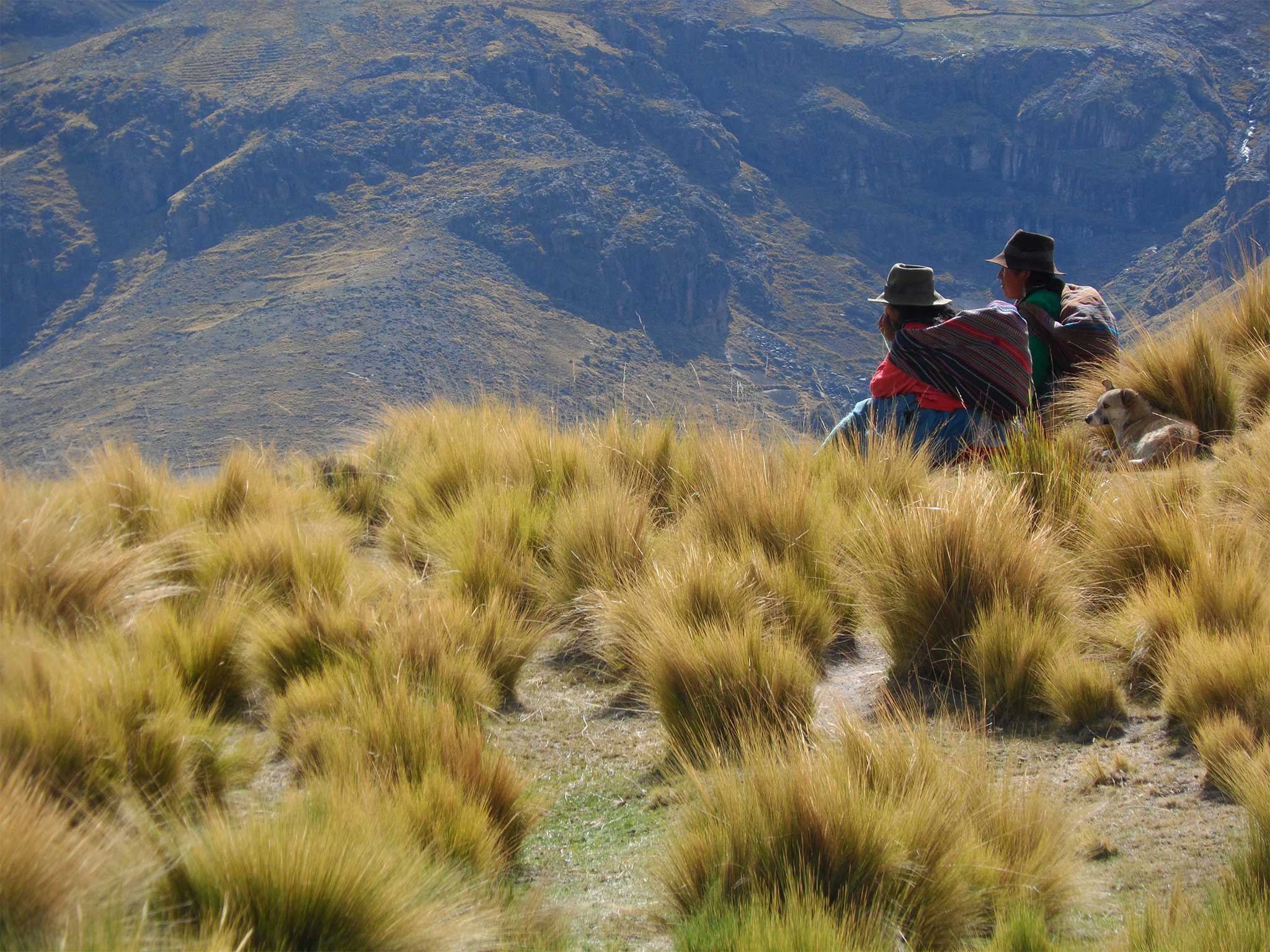
The highland region of Huancavelica, Peru was deeply affected by a government-sanctioned forced sterilization program enacted during the internal conflict. Inter Pares counterpart SISAY works to support survivors to demand justice.
Photo: Bill Fairbairn/Inter Pares
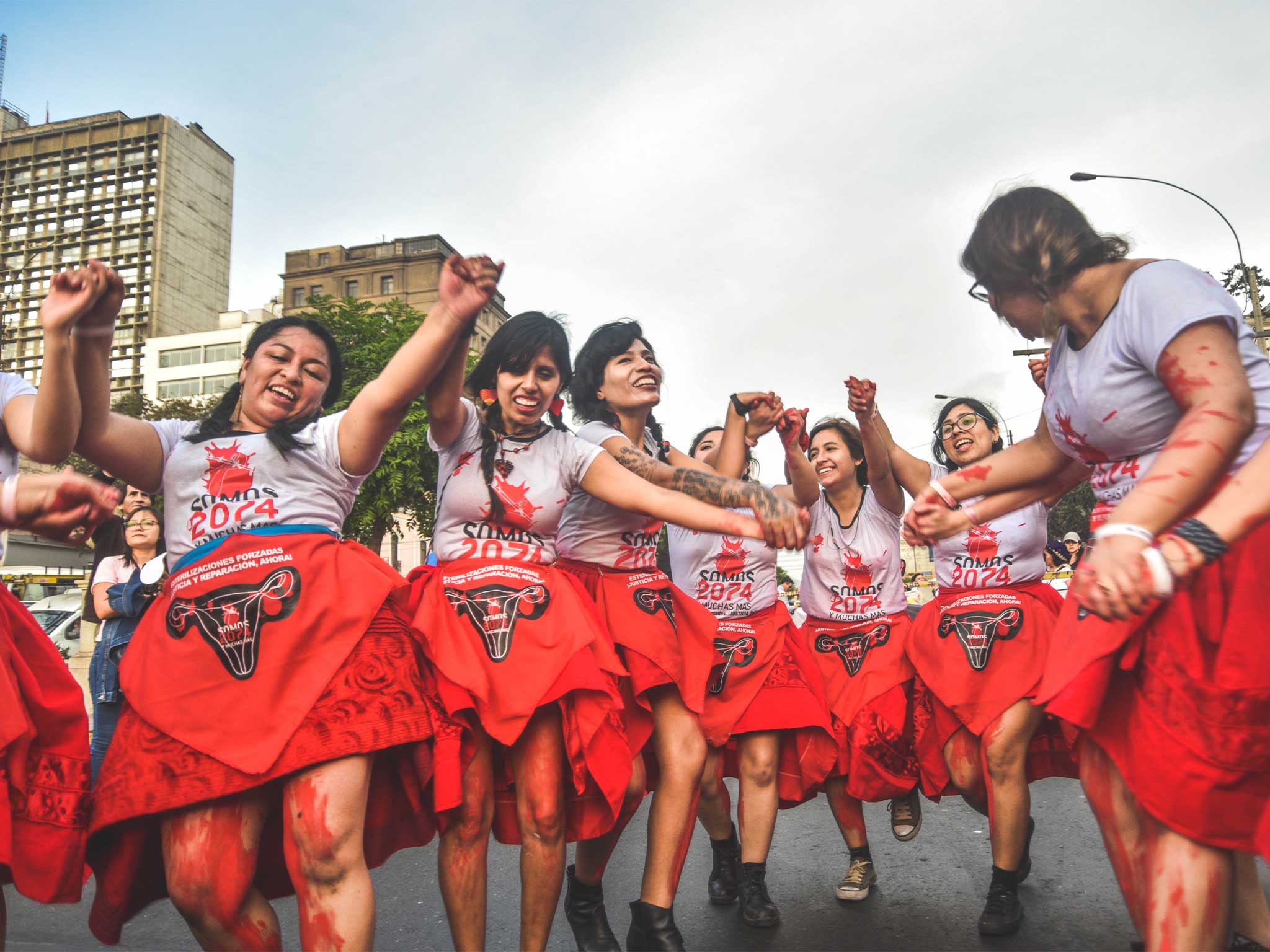
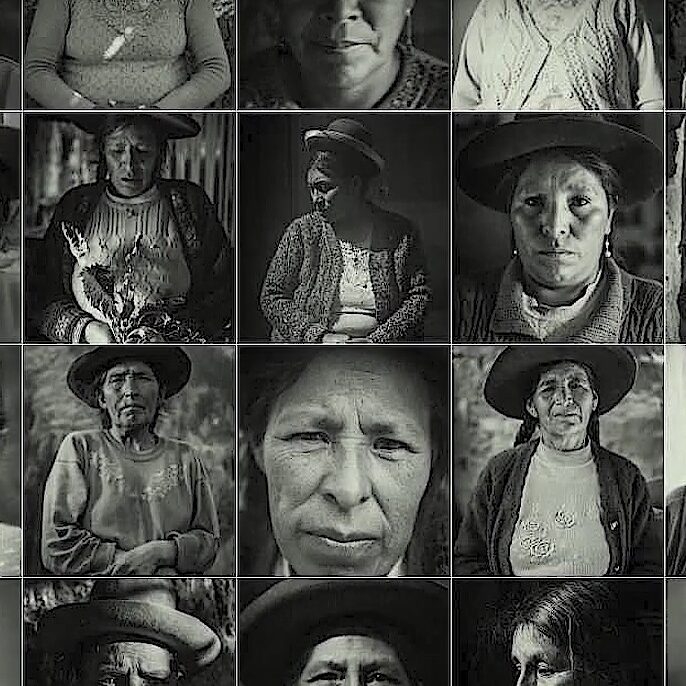
Over 70,000 Peruvians—mostly young Indigenous men from highland regions—were murdered or forcibly disappeared. Between 1990 and 2000, the regime of Alberto Fujimori implemented a coercive birth-control policy, resulting in the forced sterilization of approximately 270,000 rural Quechua women and 20,000 men.
As the current administration undermines democracy and weakens the institutions tasked with protecting human rights, civil society organizations—including our counterparts DEMUS and SISAY—remain steadfast in their pursuit of justice and reparations for victims and survivors of state violence.
DEMUS and SISAY have been at the forefront of exposing these atrocious human rights violations and supporting survivors seeking reparations; DEMUS, in the capital city Lima, and SISAY in the Andean highlands. Together, we support victims and survivors of violence to improve their quality of life—through psychosocial support, building sustainable livelihoods and accessing full citizenship.