

June 23, 2026

Annual report cover of 2025
Photo: Inter Pares
What we made possible together
In 2025, we marked 50 years of Inter Pares and decades of collaboration with our counterparts. Here are a few examples of how our long-term approach to social justice leads to meaningful change, today. Head over to interpares.ca/50years to see more.
For 20 years, we have supported Vigilance OGM—helping launch the organization, mobilize resources and expand its advocacy network. In 2025, we backed its research exposing pesticide contamination that exceeds international standards in drinking water across 10 Quebec cities, revealing regulatory gaps in Canada. By equipping municipalities and citizens with information and tools to act, Vigilance OGM is protecting drinking water and advancing policy change that safeguards public health in Quebec.
UNESCO recognized Guinea-Bissau’s Bijagós Archipelago as a Natural World Heritage Site in 2025—a status awarded after years of advocacy by our long-time counterpart Tiniguena. Since 1991, Inter Pares has supported Tiniguena’s work to protect the country’s rich biodiversity and cultural heritage, bringing communities together to strengthen shared governance and coordination among conservation actors. We celebrate this global recognition that will protect this vital coastal ecosystem for generations to come.
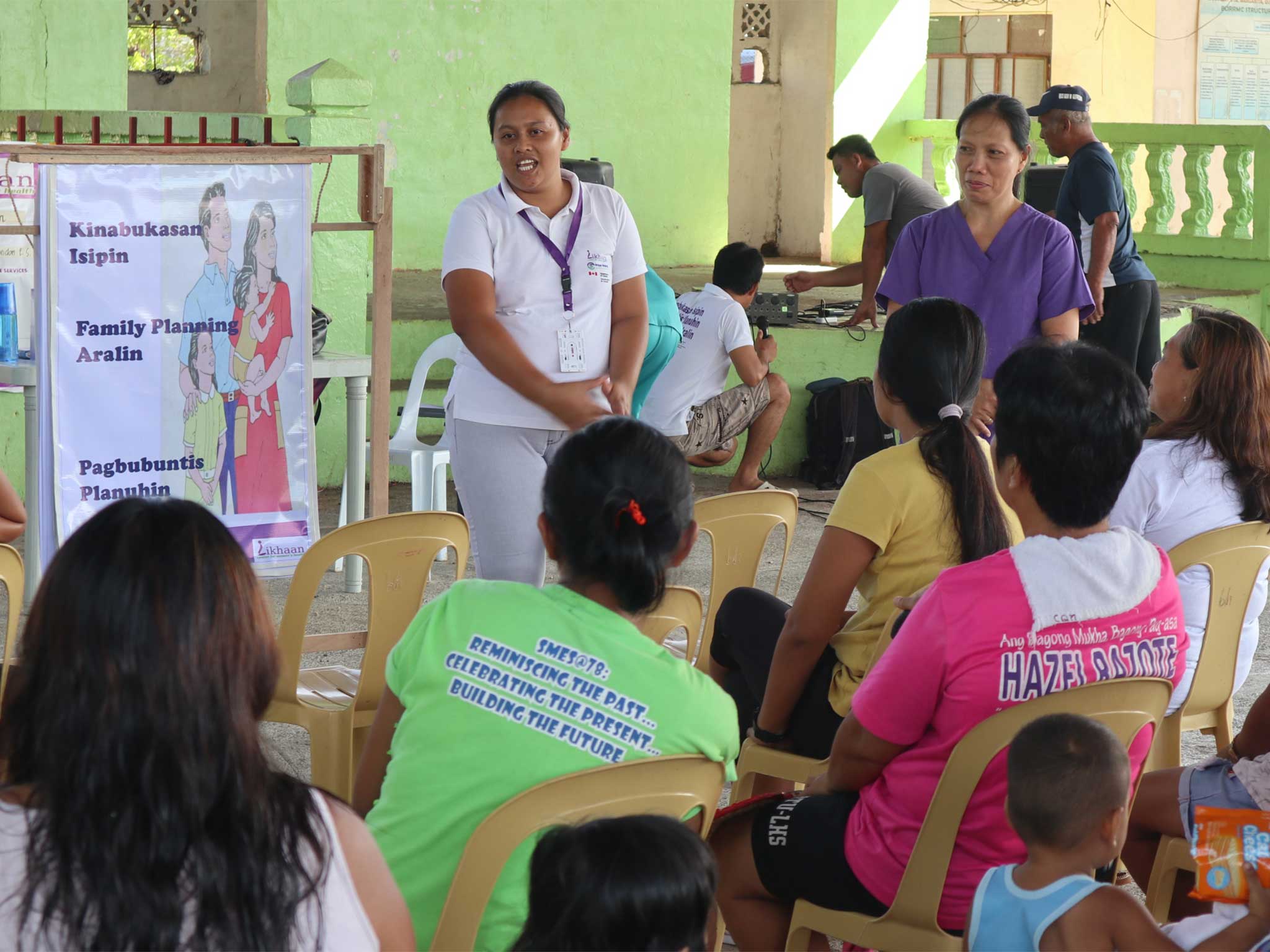
The Canadian government renewed its commitment to our sexual and reproductive health work with women, youth and LGBTQI+ communities in the Philippines. The new seven-year, $7 million commitment will support work with our counterpart Likhaan Center for Women’s Health, providing free community health education and clinical services to marginalized people in Manila and Eastern Samar. We have partnered with Likhaan since 1995.
In 2025, Humanas celebrated 20 years of advancing women’s rights and feminist peacebuilding in Colombia. We supported their Advocating for Equality Strategy which helps ensure the country’s peace agreement commitments to gender equality move beyond words on paper. Through this initiative, women leaders across Colombia participated in shaping local plans, leading to 22 gender-focused actions within municipal policies. Through this inclusive participation, Colombian women are influencing budgets and governance decisions that create real change in their lives.
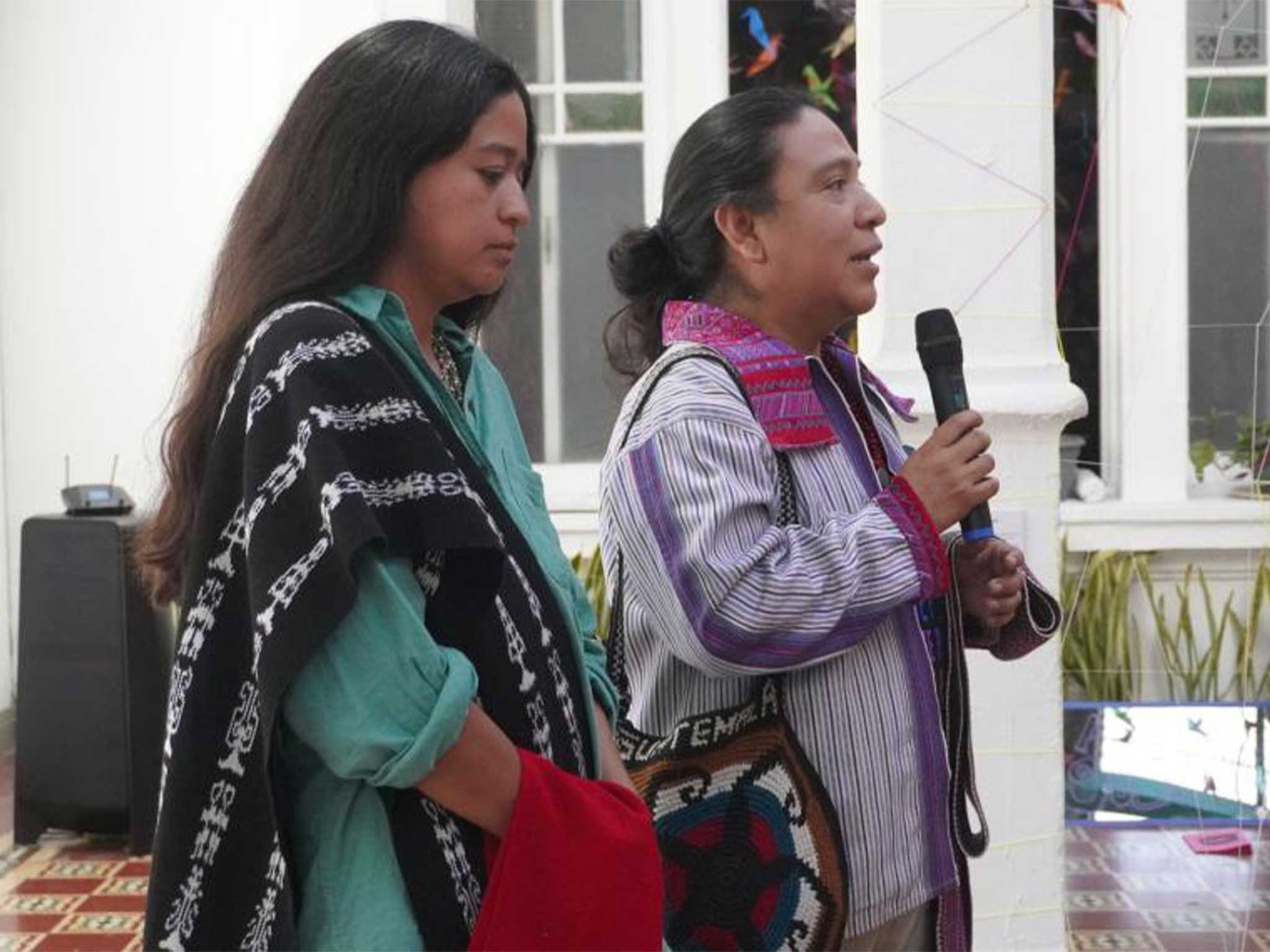
After fighting for their freedom for over three years, Frayba celebrated the release from prison of five Indigenous land defenders from San Juan Cancuc, Chiapas, Mexico. Frayba (Centro de Derechos Humanos Fray Bartolomé de las Casas), our counterpart, accompanied the land defenders throughout their wrongful imprisonment—just as they have accompanied and documented abuses against human rights defenders for 36 years. Frayba continues to challenge the persecution of Indigenous communities fighting to defend their territory.
We welcomed 10 community leaders from Burma to Canada to exchange ideas with health providers and policy experts in New Brunswick, P.E.I. and Ontario, including the Canadian Health Coalition. Together, they discussed the good, the bad and the ugly of public health systems. As civil war continues to devastate Burma, these leaders will take their learning home to feed into building a new health system—a peoples’ alternative to the undemocratic system under the military junta.
Since 2023, war in Sudan has forced 14 million people to flee their homes, making Sudan the worst humanitarian crisis globally. Our counterpart, the Sudanese Organization for Research and Development (SORD)—a leader in Sudan’s feminist movement—has pivoted to emergency response, supporting uprooted communities in Sudan and Uganda. In 2025, SORD provided food, farming supplies, menstrual health products and trauma counselling for thousands of displaced women and girls. In Canada, we advocated for stronger Canadian action on Sudan through meeting with MPs and senators, providing Senate committee testimony, writing open letters and organizing and attending public events. In November, our Sudan program managers met with MP Rob Oliphant, to demand that Canada appoint a special envoy for Sudan and pressure the U.A.E. to stop aiding and abetting war crimes in Sudan.
Privatization is increasingly infiltrating Canada’s public health-care system. In October, we joined a research roundtable on health-care “profitization” hosted by the Canadian Health Coalition (CHC), our long-time counterpart. In late 2025, CHC started campaigning against Alberta’s Bill 11—now law—allowing doctors to charge for medically necessary procedures. We support CHC’s advocacy to defend and expand Canada’s public, universally accessible health-care system, while continuing to bring international perspectives to its work.
You can make a difference.
Your solidarity helps movements navigate crisis and beyond. You ensure that when the headlines fade, the work doesn’t.