


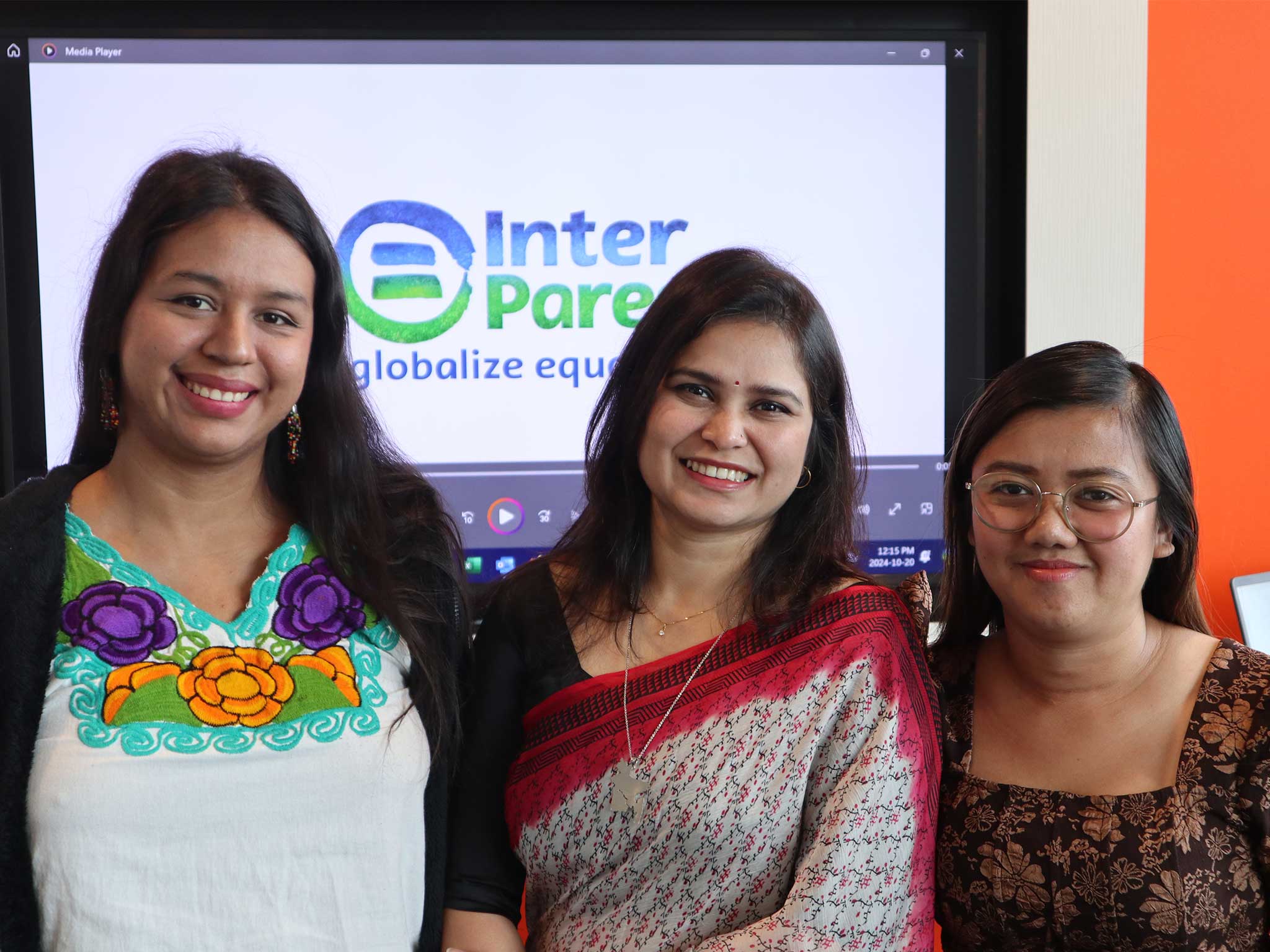



Nathalia Santos Ocasio (she/her)
Program Manager
OUR WORK BY COUNTRY

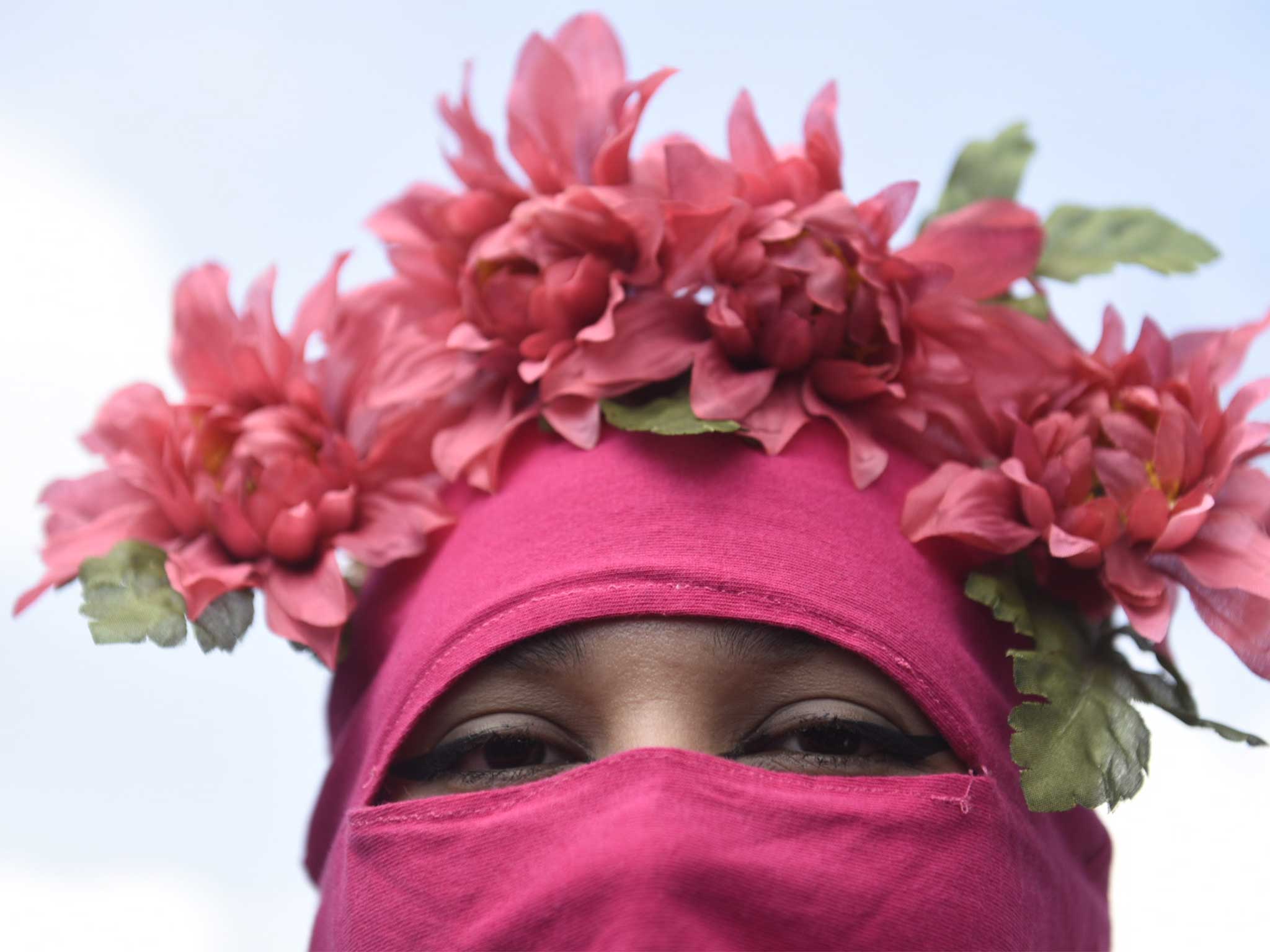
Inter Pares counterpart La Colectiva Feminista para el Desarrollo Local organizes to end gender-based violence in El Salvador and to support survivors.
Photo: La Colectiva Feminista
While gang-related violence has subsided in recent years, concerns are growing around President Bukele’s concentration of power and escalating attacks on human rights and environmental activists. In 2025, the government reversed a hard-fought ban on metal mining—raising alarms about environmental degradation and access to clean water in this water-scarce Central American country. Meanwhile, women and gender diverse people continue to experience high levels of sexual and gender-based violence. Abortion remains criminalized under all circumstances, leaving women vulnerable to legal persecution and unsafe abortions.
La Colectiva provides legal and psychosocial support, as well as strategic litigation, to women survivors of gender-based violence. They provide learning opportunities and training for caregivers, children and adolescents, ensuring that young people have access to critical information about comprehensive sexuality.
In coalition with the Americas Policy Group and other international networks, we support people’s right to clean water and to amplify the voices of communities resisting extractive industries.