June 23, 2025
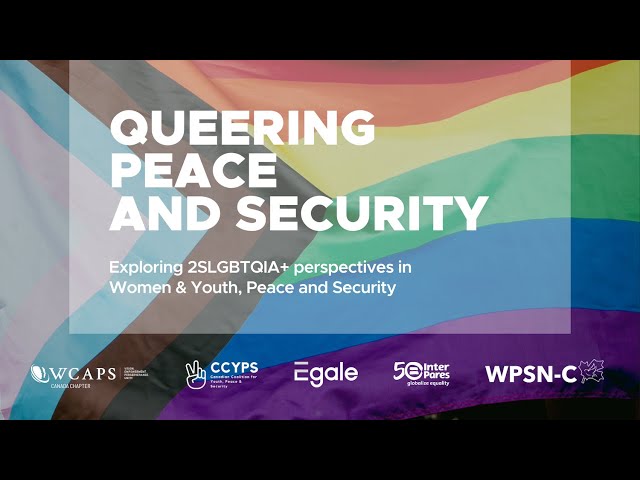
In Queering peace and security, panelists from diverse backgrounds shared insights on how queer and trans communities—especially racialized and Indigenous people, people living with disabilities and others with intersecting marginalized identities—are often excluded from mainstream peace and security frameworks, despite being at the forefront of justice movements. The conversation emphasized the need to move beyond tokenism and toward structural transformation.
One panelist, Susana Peralta, a Colombian expert on queering peace and security, drew from her involvement in her country’s peace process.
“Security is not only the absence or the presence of armed men, but it’s more about being able to be who you are freely without anyone violently being an obstacle for you,” said Susana, an Inter Pares partner.
Each speaker brought a unique perspective to the shared thesis that peacebuilding must be inclusive, intersectional and rooted in lived realities. As anti-rights movements grow globally, queering peace and security is not just timely—it’s essential.
Learn more about the event and panelists on WPSN-C’s website.
This webinar was recorded on June 18, 2025. The conversation centred 2SLGBTQI+ voices and experiences in global peacebuilding conversations. Hosted by the Women, Peace and Security Network – Canada (WPSN-C), WCAPS Canada, the Canadian Coalition for Youth, Peace and Security and Inter Pares.