

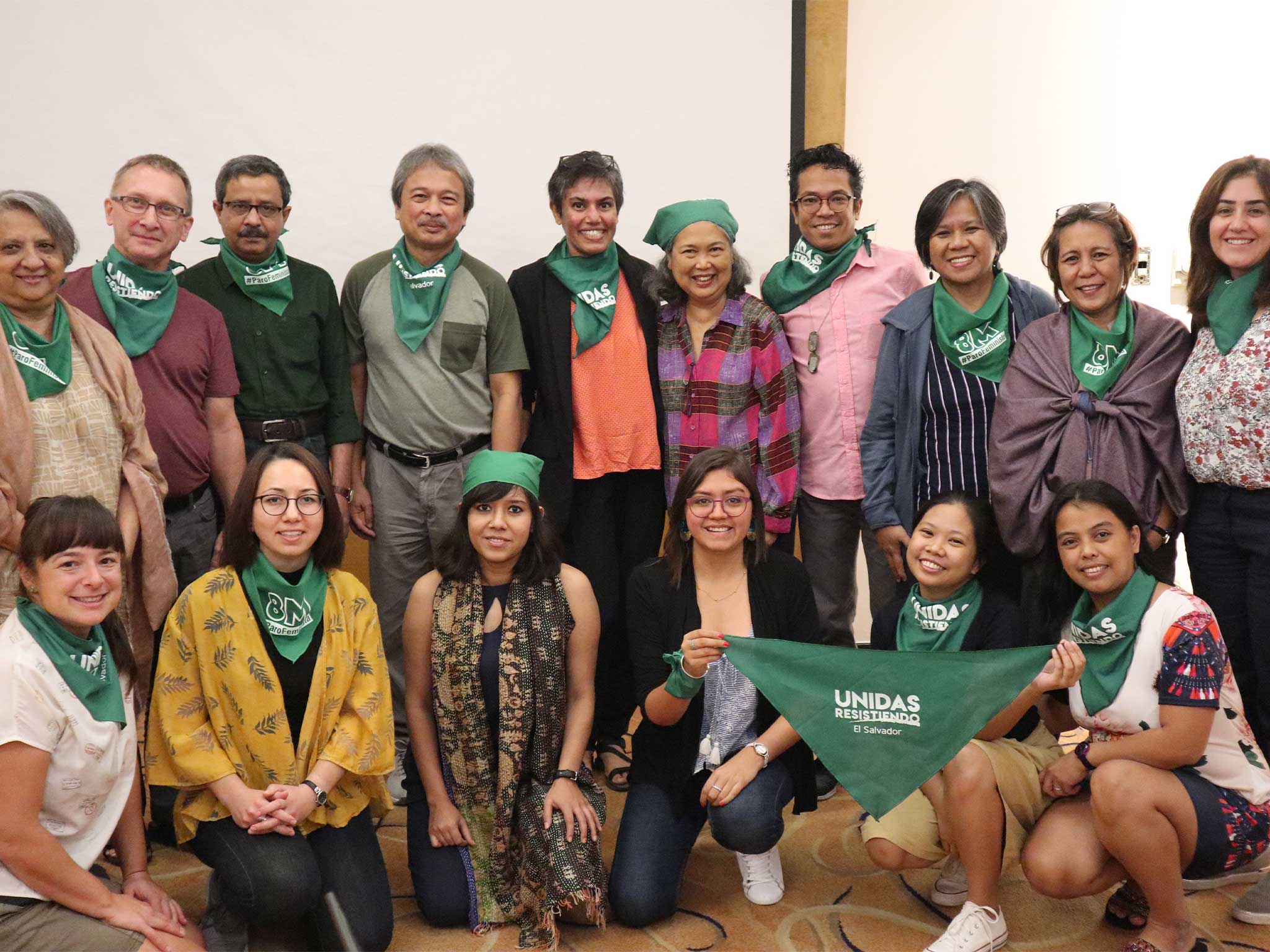
In late 2019, Inter Pares gathered with counterparts in Manila, the Philippines to discuss the new cross-geographic program, Building Momentum for Sexual and Reproductive Health and Rights.
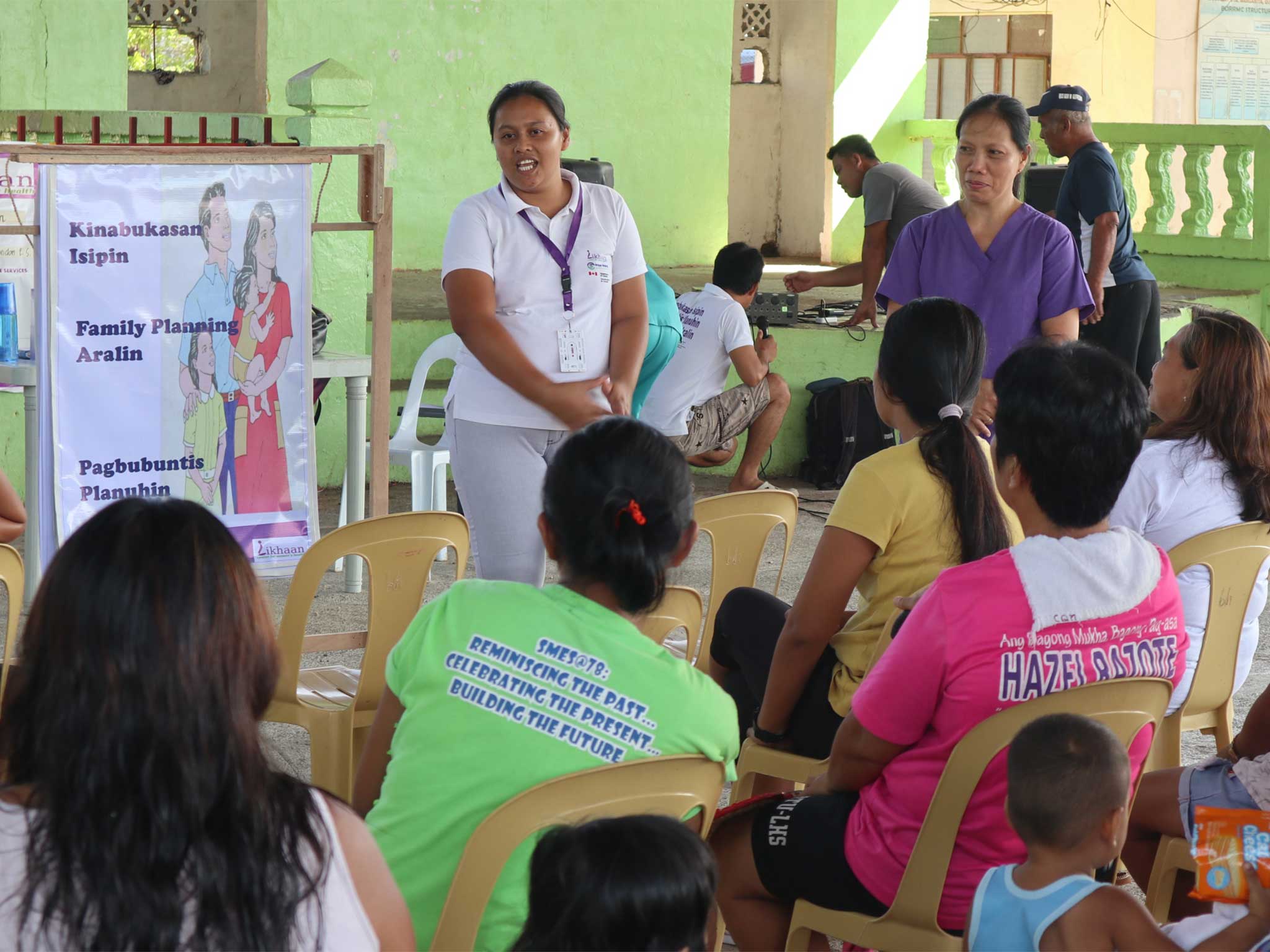
Photo: Likhaan Center for Women's Health
Through Building Momentum, Likhaan Center for Women’s Health will provide both, as well as carry out advocacy at
the local and national level on policies to support sexual and reproductive health. Since 1995, Likhaan has provided reproductive health services in the slum areas of Metro Manila and in Eastern Samar. Their non-profit clinics offer free services and carry out extensive outreach and education through a network of community health workers and volunteers.
“We are a group of strong feminist organizations.This project allows us to concretize how we apply our feminist principles to development. We need to spread this as an example to others so that this way of doing things becomes the norm.”
In Building Momentum, La Colectiva Feminista will strengthen spaces where police officers, health workers, government representatives and women’s groups come together to address violence against women and promote women’s rights. La Colectiva Feminista is a grassroots feminist organization founded in 2004 to defend women’s rights and address deep gender inequalities in the country. The organization uses education as a tool to create greater physical autonomy for women, and in turn, establish women’s complete political and economic autonomy in El Salvador.
“Our hope is that this new program will prevent violence against women, especially sexual violence. This is part of a larger struggle in El Salvador – we must reduce the inequalities between women and men, and ensure that women are safe, healthy, and that their rights are respected.”
Nijera Kori will assist women and men in holding local authorities accountable for reproductive health services for women, and making community justice systems fairer in cases of violence against women. Through cultural activities, they will raise awareness of gender issues amongst adolescents. Since 1980, Nijera Kori has accompanied marginalized people in rural Bangladesh, assisting women and men in learning about their rights and how to mobilize to exercise and defend them.
“Having the chance to meet and learn from these other feminist organizations has helped us to reflect on our own programs and see the common elements in the struggle we face as four different organizations working in such different contexts.”
For example, women have few rights within marriage and girls can be married as young as ten years of age. Through Building Momentum, the Sudanese Organization for Research and Development (SORD) will take advantage of opportunities with the new transitional government to advocate for new laws and for broader reforms to include sexual and reproductive health and rights. SORD will also provide legal representation and psychosocial accompaniment for women who have experienced violence and discrimination.
“Child marriage is one of the biggest challenges in Sudan related to sexual and reproductive health and rights. We have been advocating against child marriage for years. Now, we have a big opportunity to adopt an alternative law related to child marriage.”
Your February Bulletin explains how we will leverage Global Affairs Canada support to expand counterpart SRHR programming over four and half years.